What We Found During a Recent Solar Audit in Kansas City
A solar system that's producing power looks like a solar system that's working. The inverter is humming, the app shows kilowatt-hours, the electric bill is down. From the homeowner's side of things, everything checks out.
But "producing power" and "installed correctly" are two different questions. During a recent solar audit here in Kansas City, Josh looked at a system that passed the first test and failed the second — in several places at once. We want to walk through what he found, because these are exactly the kinds of issues homeowners may never notice until someone qualified takes a closer look.
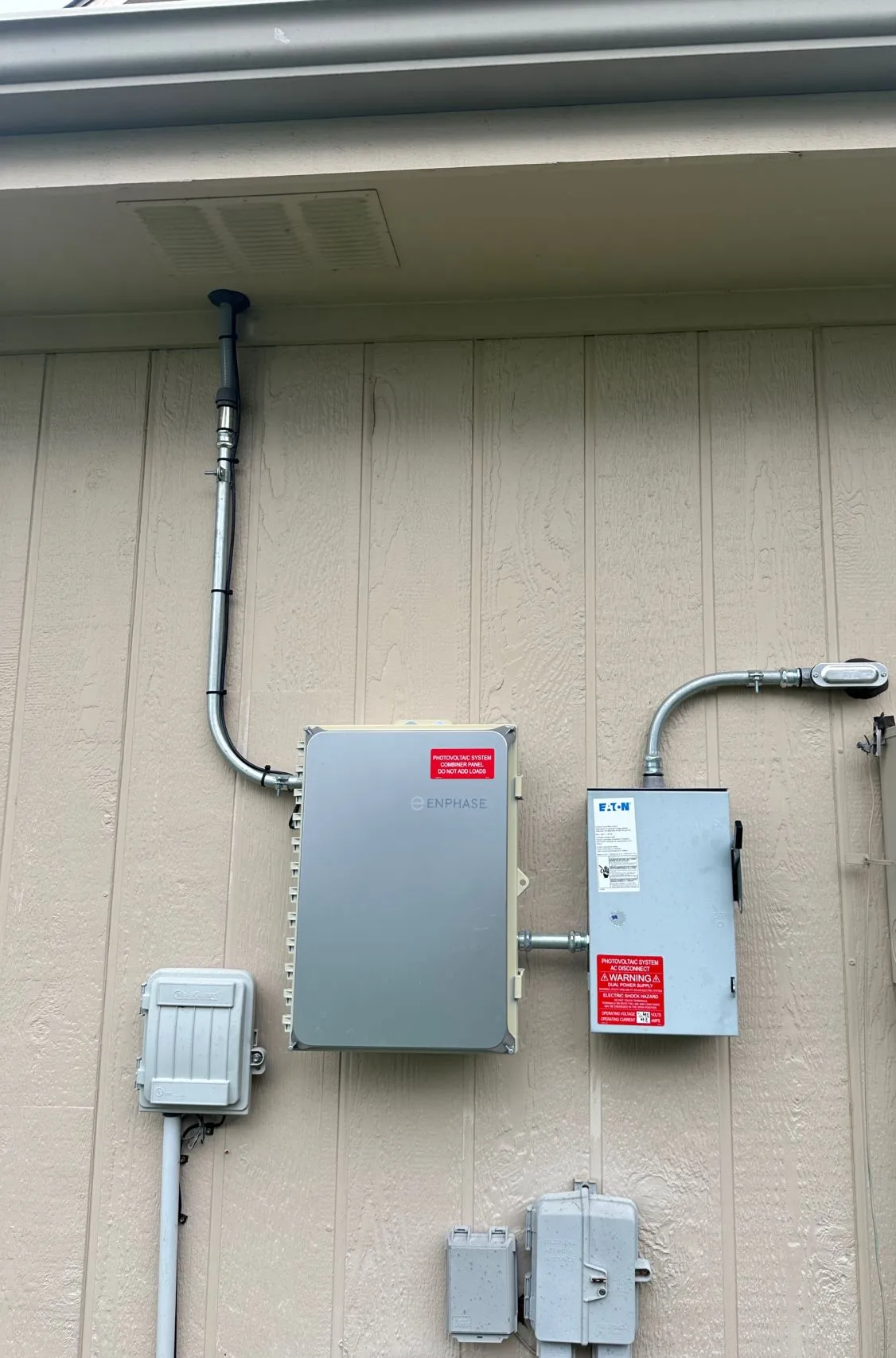
The system was working. The installation wasn't.
This wasn't a dead system or a mystery outage. Panels were making power. If you'd only looked at the production numbers, you'd have called it a good install.
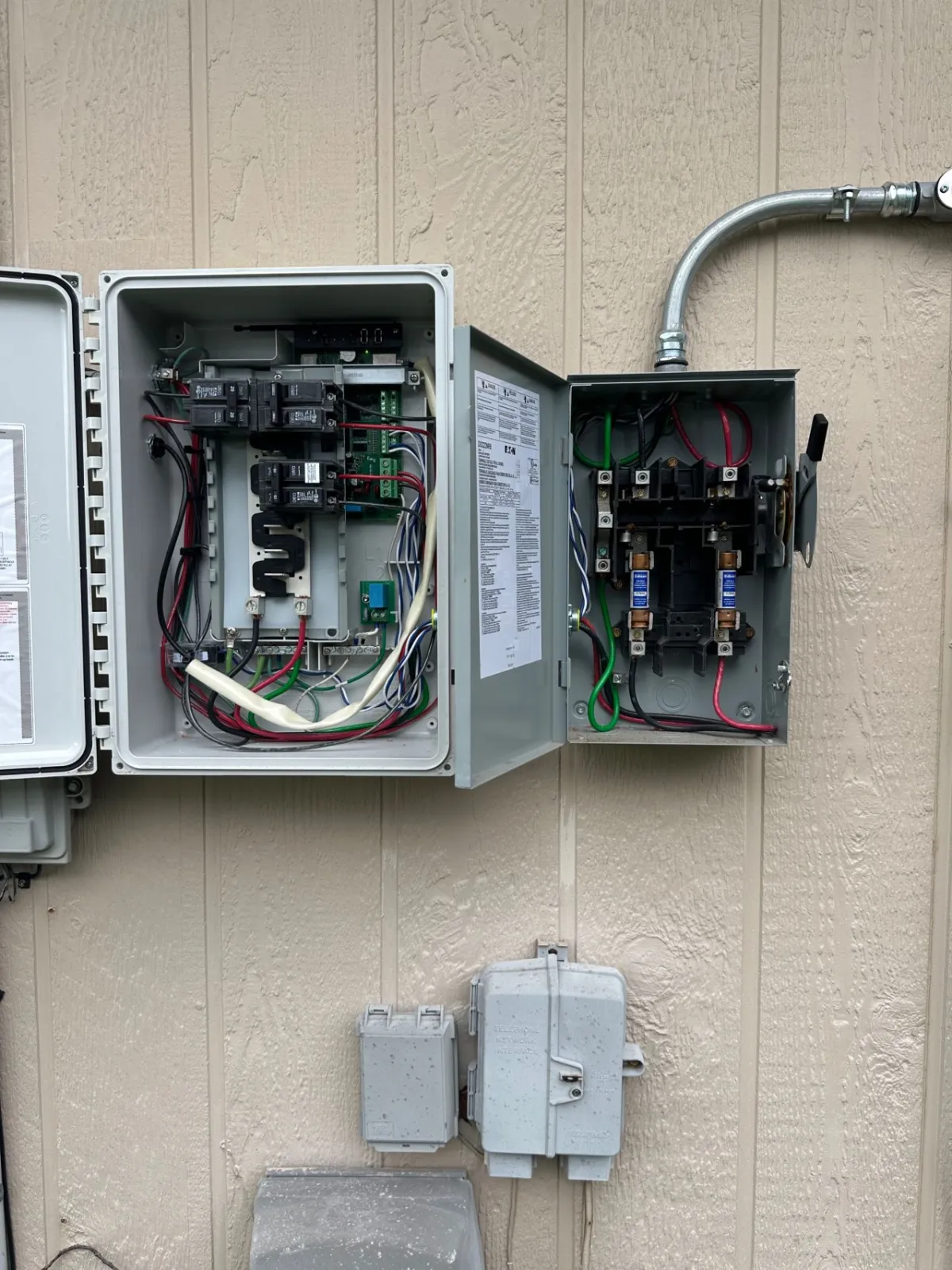
Then Josh opened it up. Here's what the audit turned up:
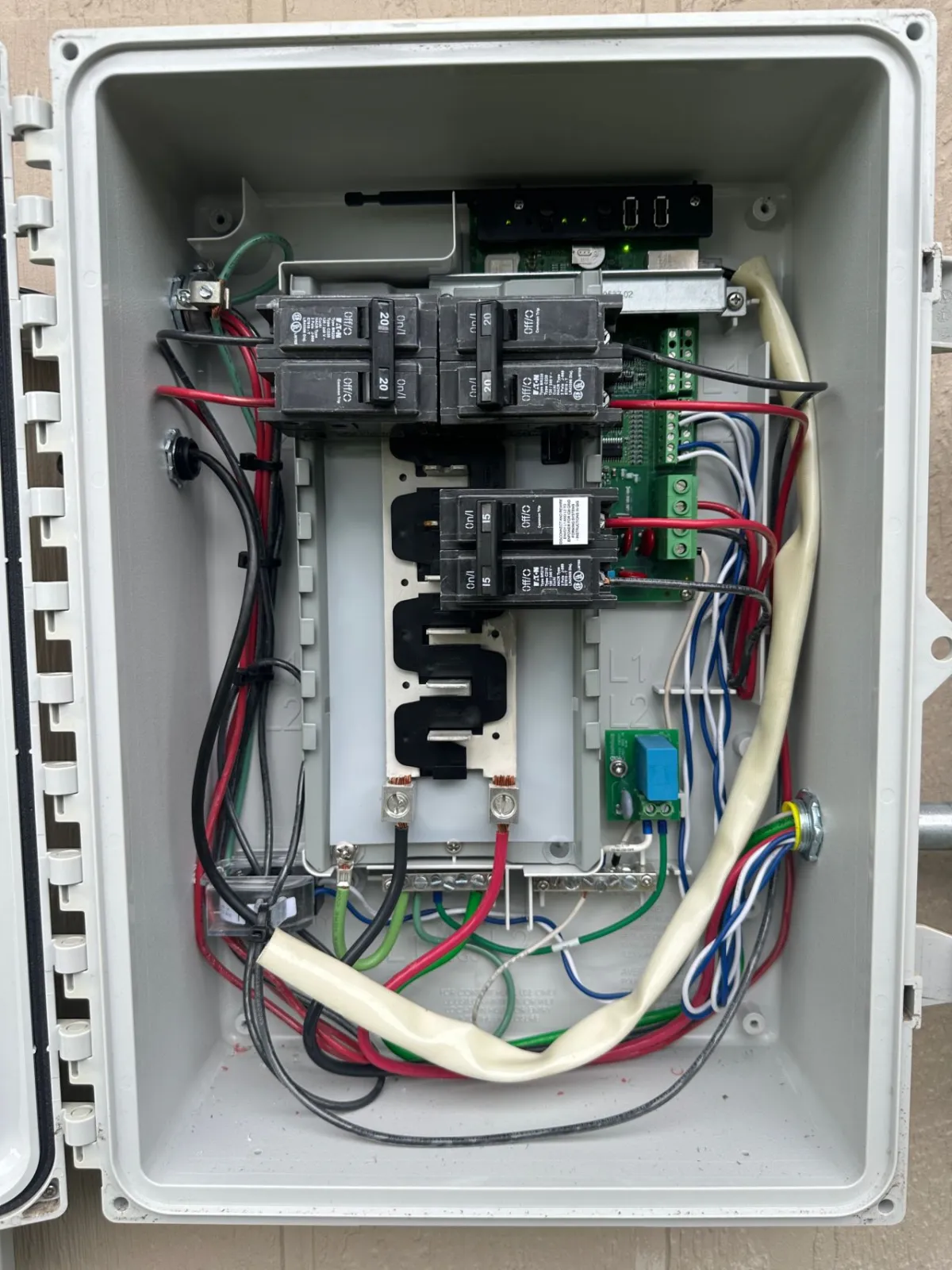
- An Enphase combiner installed without the required neutral conductor. The combiner is where the circuits from your panels come together before heading to your main panel. It was wired without a conductor the installation requires.
- Poorly sealed conduit penetrations. Every place a conduit passes through your exterior wall is a place water can get in — unless it's sealed properly. These weren't.
- Questionable weatherproofing on the exterior equipment in general. Solar gear lives outside in Missouri weather year-round; the workmanship needs to account for that.
- An improper top-entry conduit fitting at the disconnect. Fittings on the top of an enclosure are where rain wants to go. Using the wrong fitting there invites moisture into equipment that's supposed to stay dry.
- A communications cable simply zip-tied to the conduit. Not routed, not protected — just zip-tied on and left to the elements.
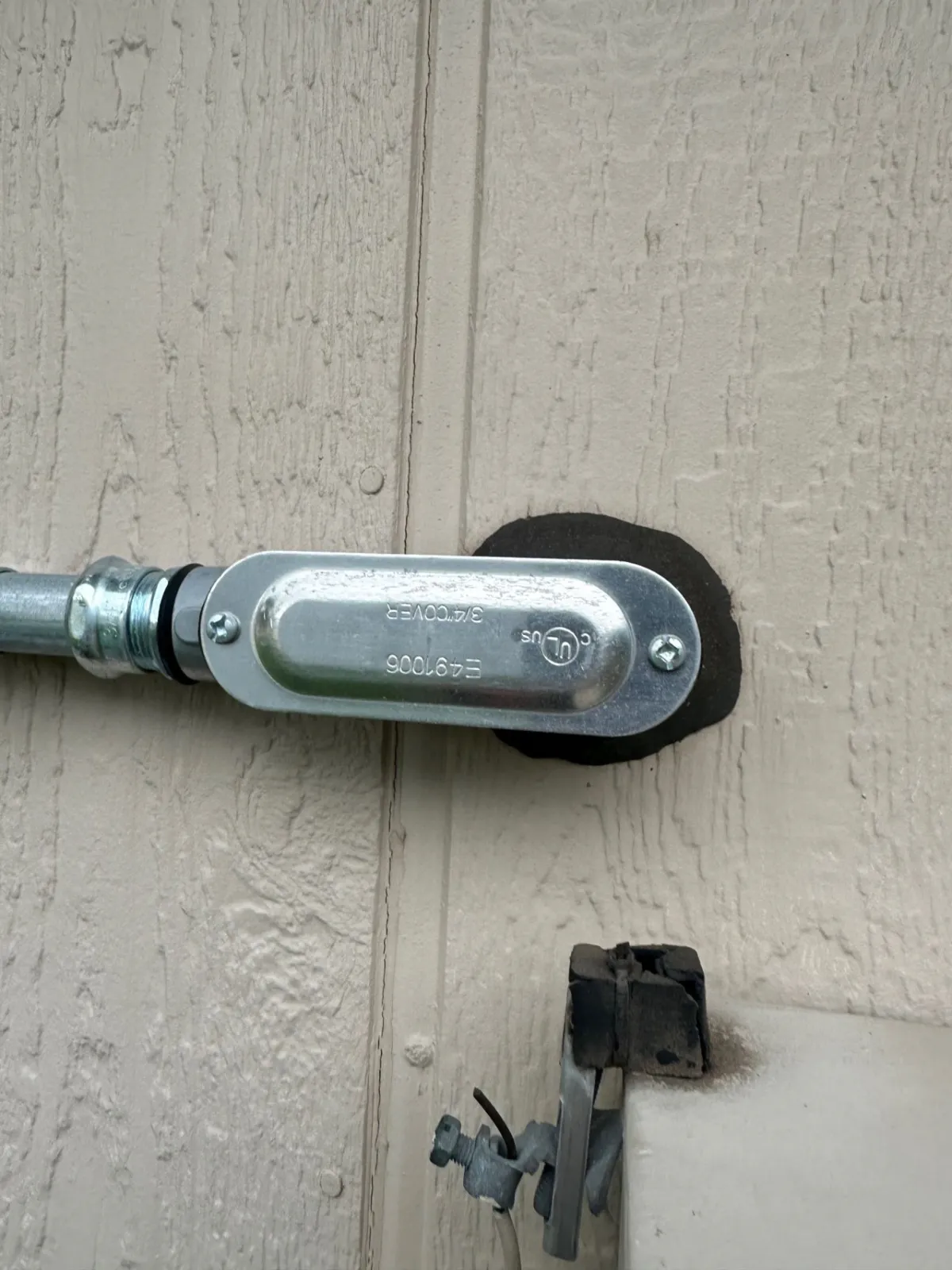
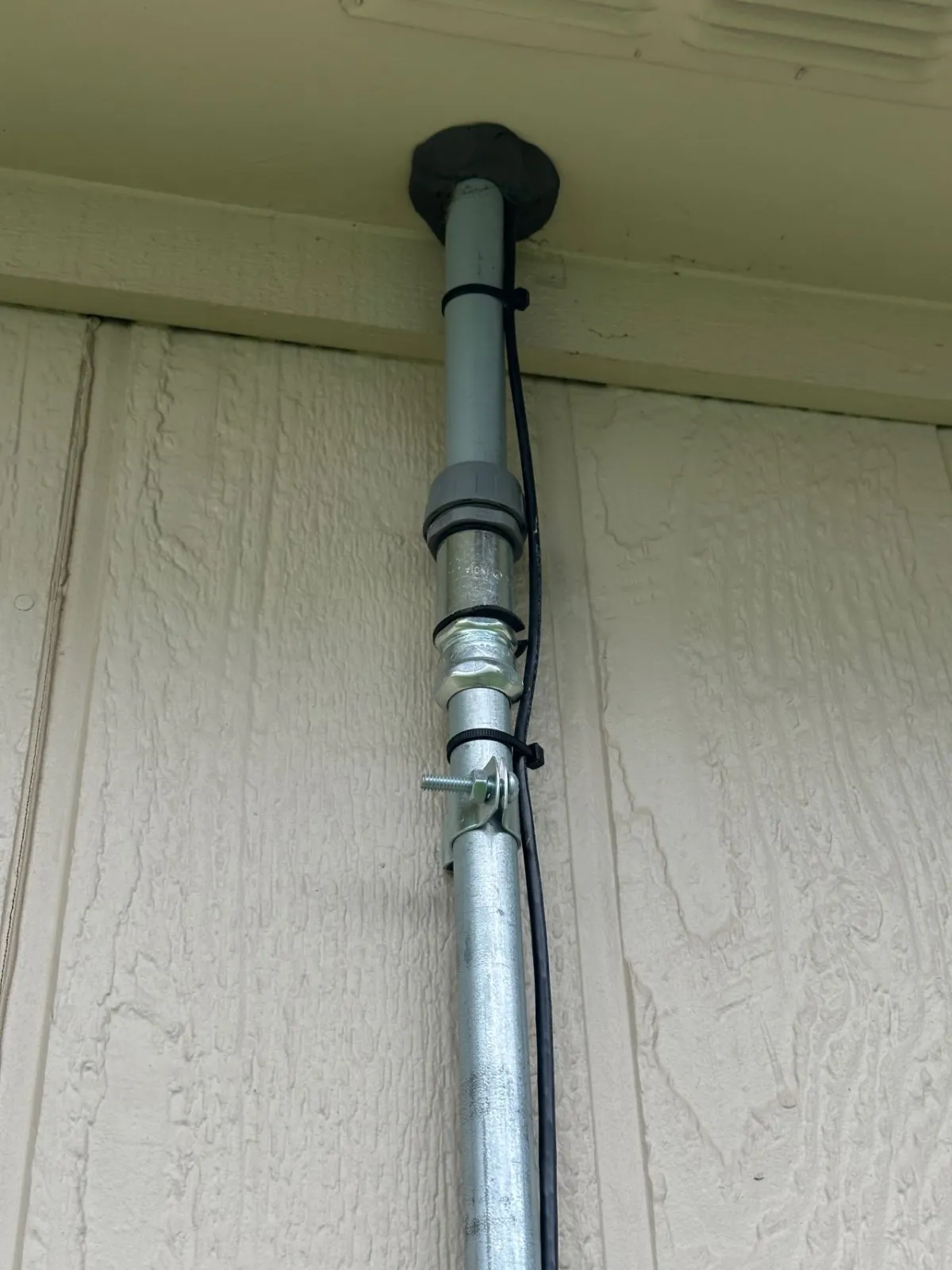
Any one of these on its own would be worth correcting. All of them together on one wall told a clearer story: the workmanship fell well below what homeowners should expect.
This wasn't a fly-by-night installer
Here's the part that surprises people. This system was installed by a well-established solar contractor — one that is still actively installing in the Kansas City area today.
We're not naming names, and this isn't about dunking on a competitor. The point is simpler and more uncomfortable: a recognizable company name on the proposal doesn't guarantee the details were done right on your wall. The homeowner in this case had no reason to suspect anything. The system turned on. It made power. Everything visible from ten feet away looked fine.
The problems only showed up when someone opened the equipment and knew what the inside was supposed to look like.
Why "it turns on" isn't the finish line
A solar system should do more than turn on. It should be installed safely, correctly, and built to last.
Missing conductors, bad weatherproofing, and improper fittings don't usually announce themselves on day one. They're the kind of thing that sits quietly — water working its way into a penetration, a cable degrading in the sun — until it becomes a real problem. And because most homeowners never open their combiner or disconnect, there's no natural moment where the issue gets caught.
That's the gap an audit fills. When we do solar repair and troubleshooting work, a lot of what we're really doing is inspection: opening the equipment, checking the wiring against what the manufacturer and good practice require, and looking at everything between the panels and your main panel — not just asking whether the app shows production.
What to take from this if you own a solar system
You don't need to become an electrician, and you don't need to panic. But if your system was installed a while back and nobody qualified has opened it up since, it's reasonable to have it looked at — especially the parts that live outdoors. In this case, the issues were all findable in one visit by someone who knew where to look: the combiner, the disconnect, the conduit runs, the penetrations into the house.
And if you're shopping for solar now, ask your installer about the details, not just the panel count and the payback math. The difference between a system that lasts and one that causes problems is mostly in workmanship you'll never see from the driveway.
We're a veteran-owned, owner-operated outfit serving the Kansas City Northland — Liberty, Excelsior Springs, Kearney, Smithville, Gladstone, and nearby communities — led by a licensed Master Electrician. If you'd like a starting point, our free Home Resilience Assessment takes about three minutes and gives you a 0–100 score across your electrical, solar, and backup readiness. Or if you'd rather have eyes on your system directly, give us a call at (816) 476-1776 and we'll set up a visit.
Powering Today. Protecting Tomorrow.
Find Your Home's Weak Points
Take the free 3-minute Home Resilience Assessment and get a score from 0–100 with practical next steps.